
Travel photography is an art form that captures the essence of exploration, culture, and adventure. Whether you’re a seasoned photographer or just starting out, these tips will help you make the most of your travel experiences and create unforgettable memories.
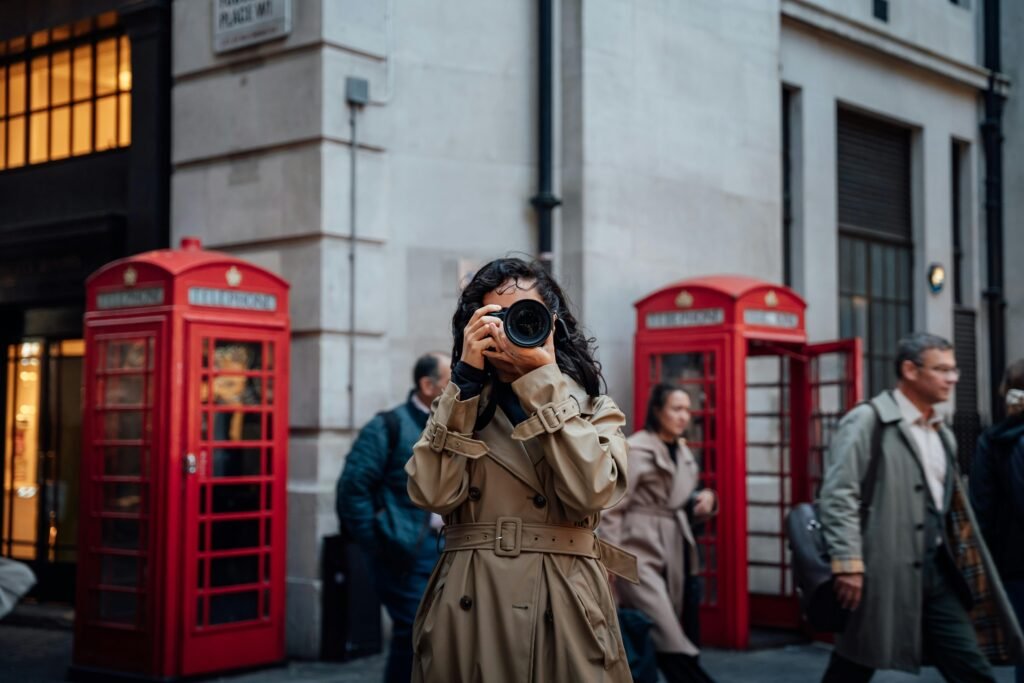
1. Understand Your Equipment
- Know Your Camera: Familiarize yourself with your camera’s functions, such as aperture, shutter speed, and ISO settings.
- Lens Selection: Use a versatile lens like an 18-55mm for general travel photography or consider bringing a wide-angle lens for landscapes.
2. Plan Ahead
- Research Locations: Before visiting a place, research the best spots to capture iconic views or unique cultural experiences.
- Timing is Key: Shoot during the golden hours (dawn and dusk) for soft, warm lighting that enhances your photos.
3. Master Composition
- Rule of Thirds: Frame your shots using the rule of thirds to create balanced and visually appealing images.
- Leading Lines: Use lines in the scene to guide the viewer’s eye through the photo.
4. Experiment with Angles
- Get Low or High: Try shooting from different angles—kneeling, lying down, or even climbing higher for unique perspectives.
- Try Silhouettes: Capture silhouettes against a bright background for dramatic effects.
5. Focus on Details
- Small Wonders: Don’t just focus on the big picture; zoom in on textures, patterns, and small details that tell a story.
- Macro Photography: Use macro mode to capture intricate details like flowers or artifacts.
6. Capture People and Culture
- Portraits: Take portraits of local people to add a human element to your travel photos.
- Cultural Moments: Document cultural events, festivals, or traditions to enrich your travel narrative.
7. Lighting Techniques
- Natural Light: Utilize natural light for vibrant colors and realistic shadows. Avoid shooting directly into the sun to prevent harsh flares.
- Backlighting: Experiment with backlighting to create a glowing effect, especially with subjects like trees or people.
8. Use Leading Lines
- Guide the Eye: Use roads, rivers, or architectural lines to lead the viewer’s eye through the photograph and add depth.
9. Bracket Your Photos
- Expose to the Right: Shoot multiple exposures (bracketing) to ensure you capture detail in both shadows and highlights.
- HDR (High Dynamic Range): Combine bracketed shots in post-processing to retain detail across all tonal ranges.
10. Be Ethical and Respectful
- Local Etiquette: Always respect local customs and traditions when photographing people or sites.
- Avoid Distraction: Avoid using flash excessively in cultural settings unless necessary.
11. Stay Flexible
- Adapt to Conditions: Be prepared to adjust your plans based on weather, crowds, or unexpected opportunities.
- Quick Adjustments: Learn to quickly change settings for varying lighting conditions and subjects.
12. Use a Tripod
- Stability: Use a tripod for long exposures, low-light situations, or when shooting in windy conditions.
- Self-Timer: Utilize the self-timer function for group photos or creative self-portraits.
13. Focus on Color Theory
- Color Pallette: Pay attention to color combinations in your scenes and use them to create harmonious or contrasting effects.
- White Balance: Adjust white balance settings to accurately capture colors in different lighting conditions (e.g., daylight, tungsten, fluorescent).
14. Practice Minimalism
- Simplify Your Scene: Sometimes, less is more. Try to isolate your subject against a simple background for a clean and impactful image.
15. Post-Processing Skills
- Edit Thoughtfully: Use photo editing software like Adobe Lightroom or Photoshop to enhance your images without over-processing.
- Consistency: Apply consistent edits across your portfolio for a cohesive visual style.
16. Plan for Weather
- Protect Your Gear: Use a防水バッグ (waterproof bag) and lens hood to protect your equipment from rain or humidity.
- Dress Appropriately: Dress in layers to adapt to changing weather conditions, allowing you to stay comfortable while shooting.
17. Create a Travel Journal
- Document Everything: Keep a travel journal to jot down ideas, locations, and feelings associated with each photo.
- Storytelling: Use your photos to tell a story about your journey, combining images with文字 to create a cohesive narrative.
18. Network with Other Travelers
- Share and Learn: Connect with other travel photographers online or in person to exchange tips, techniques, and experiences.
- Inspiration: Follow travel photography blogs and social media accounts for inspiration and new ideas.
19. Practice Patience
- Slow Down: Take your time to scout locations, observe your surroundings, and wait for the perfect moment to capture a shot.
- Iterative Improvement: Remember that improvement takes time; keep practicing and experimenting with different techniques.
20. Travel Light
- Essentials Only: Pack only the necessary gear to avoid being weighed down, especially when hiking or exploring remote areas.
- Versatile Gear: Choose lightweight and compact equipment that can adapt to various shooting scenarios.
Conclusion
Travel photography is a journey of discovery—both of new places and your own creative potential. By applying these tips and continuously refining your skills, you’ll be able to capture the beauty and essence of your travels in ways you never imagined. So grab your camera, hit the road, and start documenting your adventures with confidence!